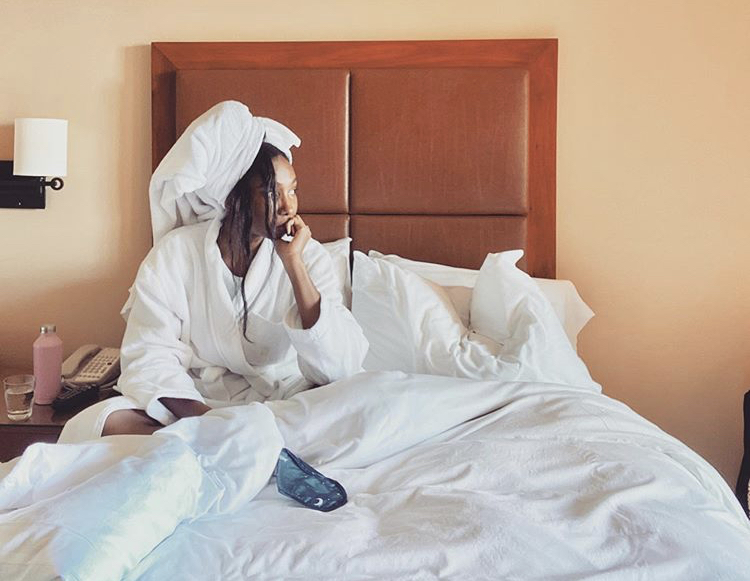
When it comes to self-care, sleeping is one of the best things you can do for your body. Adequate sleep helps with weight loss, yes, aids in boosting your immune system, is a natural anti-aging and protects your heart. Establishing a regular sleep pattern is important for every single one of us.
With that said, 30% of Americans suffer from insomnia and 1/3 of adults take a few things to help them sleep. Are you one of them? Check out below the general recommendations that are used in my practice to help patient practice better sleep hygiene.
Poor sleep worsens anxiety, chronic disease, and decreases your quality of life.
.
POSITIVE SLEEP HABITS
Establish regular sleep and wake times.
• This is an essential component of good sleep. The body prefers a fixed bedtime and benefits from a schedule.
Avoid napping during the day.
• It is common to feel tired in the late afternoon. Napping can alter your normal sleep pattern and decrease wakefulness. Naps should be limited to less than 20 minutes when they are taken.
Avoid stimulants such as caffeine, nicotine, and alcohol close to bedtime.
• Some sensitive individuals may need to avoid caffeine after 3 pm. This includes caffeinated beverages, such as coffee, tea, and many sodas.
• Alcohol may assist the onset of sleep but will later disrupt sleep when the body begins to metabolize the alcohol and blood levels decrease, stimulating the body.
Avoid eating large quantities close to bedtime.
• Meals high in spicy foods or sugar can disrupt sleep and prevent consistent rest throughout the night.
• Avoid eating for at least 2 hours before bedtime.
Exercise regularly in the morning or late afternoon.
• Exercise in general can promote restful sleep, but vigorous exercise should be avoided right before bed.
• Relaxing exercise, such as yoga and Tai Chi, can be beneficial before bed to promote restful sleep.
CREATING A PEACEFUL ENVIRONMENT
Use comfortable bedding.
• Find bedding that is optimal for your body. One third of your life is spent sleeping, so make an effort to create comfort.
Associate your bed with sleep.
• Avoid watching TV, listening to the radio, or reading in bed. Watching TV can be an engaging activity and televisions are best kept out of the sleeping space. Blue light from screens (computers, tablets, and cell phones) should be avoided for at least 90 minutes before bedtime.
Keep it quiet and dark at night.
• Noise can be disruptive and can ignite our sympathetic nervous system responsible for fight or flight response.
• Excessive artificial light in your bedroom can decrease your natural production of melatonin. Melatonin is a hormone produced in circulating levels in a daily cycle, thereby allowing the circadian rhythms of several biological functions.
• Allowing for natural light to emit into the bedroom can help maintain a healthy sleep and wake cycle. Waking up from sunlight promotes wakefulness in the morning.
Create a worry-free space.
• Leave your worries from daily life at the bedroom door. Focus on mindfulness before bed as worries will only disrupt sleep and not resolve restlessness.
Leave the bed if you are restless.
• Lying awake trying to sleep can alter the peaceful space. It is better to get out of bed to read or practice relaxation techniques before attempting to sleep again.
OTHER SLEEP PROMOTING ACTIVITIES
Take a warm bath before sleep. This can help relax the body and calm the mind.
Gratitude journaling. Just before sleep, write at least 3 things you are grateful for that day. This will help promote a positive mindset and atmosphere before bed.
Relax. Deep belly breathing and other relaxation techniques may help relieve anxiety and reduce muscle tension.
IT’S STILL NOT WORKING!
From cortisol imbalance, hormonal changes, medical diagnosis of hyperthyroidism, anxiety disorder or depression to prescription medication. Many factors you may not be aware of, are sleep disruptors. For some it can be a deviated septum, others low blood sugar at night causing them to wake up. This means that for my patients, I always run mutliple lab tests and assess them clinically to see how to best proceed with treatment.
Are you a sufferer of poor sleep? What has helped?

 All In The Day'z Health